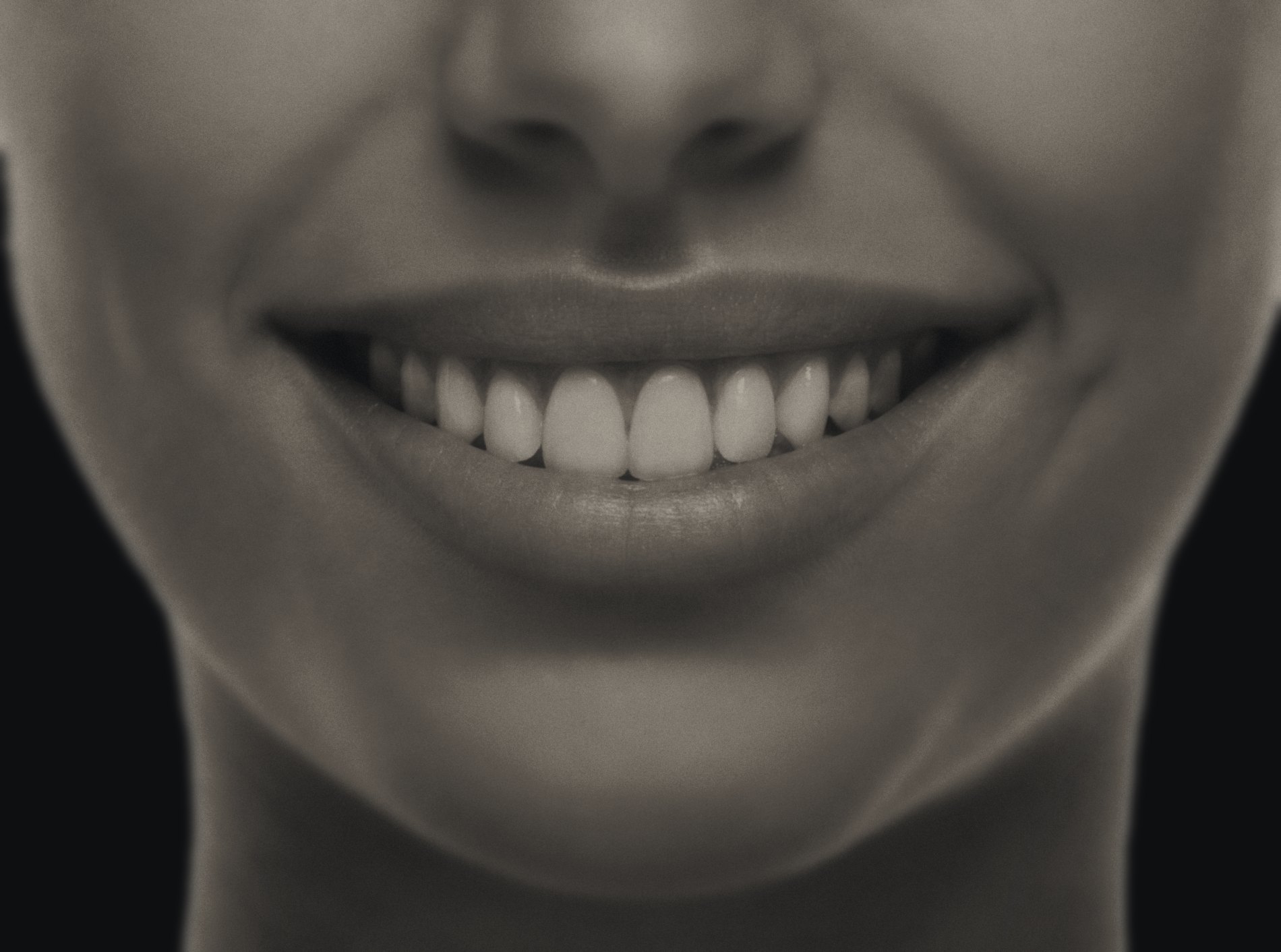
Cosmetic dentistry in San Francisco
Bonding, porcelain veneers and whitening.
What it is
Cosmetic dentistry changes how your teeth look. It covers bonding, porcelain veneers and whitening.
It begins with what you would like to change. You see the plan and the estimate in writing before anything starts.
What to expect
- You tell us what you would like to change.
- We examine your teeth and gums.
- You receive a written plan and estimate.
- You decide, without hurry.
Questions about cosmetic dentistry
Do I see what my smile will look like before anything is done?
Yes. Every cosmetic case starts with photographs and a digital preview, or a wax mock-up for veneer cases, so you can see the intended result and ask for changes before any tooth is touched. Nothing irreversible happens at the planning visit.
Is a porcelain veneer reversible?
No. Placing a veneer permanently removes a thin layer of enamel to make room for the porcelain, and that enamel does not grow back. Once a tooth has been prepared for a veneer, it will need a veneer or an equivalent covering for the rest of its life, even if you later decide you preferred your natural tooth. This trade-off is explained plainly before any preparation happens.
Will whitening make my crowns or veneers match my other teeth?
No. Whitening lightens natural tooth enamel. It does not change the colour of existing porcelain crowns, veneers, or composite bonding, because those materials do not lighten. If you are planning both whitening and new cosmetic work, the order matters — whitening usually happens first, so any new restoration can be matched to your lighter shade rather than the other way around.
Can I get veneers or bonding if I grind my teeth at night?
Sometimes, but grinding needs to be addressed first or alongside the cosmetic work, often with a night guard. Untreated grinding puts repeated force on thin porcelain edges and bonded resin, and the work chips or wears down early regardless of how well it was placed. This is discussed at the planning visit.
What if I have a cavity or gum disease — can I still get cosmetic work?
Active decay and gum disease are treated first. Bonding a chip or placing a veneer over a tooth with untreated decay, or into gums that are inflamed, changes the appearance while the underlying problem keeps progressing underneath the new surface. The office will say so plainly rather than covering it up.
Before you come
New patients
Read before your first appointmentWhere we are
230 California Street, Suite 200, in the Financial District. A short walk from Embarcadero and Montgomery Street BART and Muni.
Visit